Opening a Wall the Right Way
Many homeowners dream of creating a more open, connected floor plan. Whether it’s opening your kitchen to the living room, expanding a master suite, or removing a dated divider, knocking down a wall can make your home feel larger, brighter, and more modern. But opening a wall the right way requires careful planning, professional evaluation, and expert construction to ensure your home remains structurally sound.
At Branch Home Remodeling, we help homeowners throughout Wake County and surrounding areas reconfigure their homes safely and beautifully. This guide explains what’s involved in opening a wall correctly, why professional engineering matters, and how our design-build process ensures flawless results every time.
Why homeowners open walls
Modern homeowners value open, flowing spaces that allow light and conversation to move freely throughout the home. In older houses, walls often divide rooms unnecessarily, blocking natural light and limiting furniture placement.
Common reasons to open a wall include:
-
- Creating an open-concept kitchen and living area.
- Expanding a primary bedroom or bathroom.
- Adding sightlines between living spaces.
- Improving light flow and ventilation.
- Modernizing a home’s overall layout.
No matter the reason, opening a wall should never be treated as a simple DIY task. Even small mistakes can lead to sagging ceilings, cracked drywall, or structural instability. That’s why it’s critical to work with an experienced remodeling contractor who understands both design and engineering.
Step 1: Determine if the wall is load-bearing
The first and most important question to answer before opening a wall is whether it’s load-bearing. A load-bearing wall supports the weight of your home’s roof, floors, and structural framework. Removing or cutting into it without proper support can cause serious damage.
How professionals determine this
When you hire Branch Home Remodeling, our team performs a full structural evaluation before making any cuts. We review:
-
-
- Blueprints or original construction documents (if available).
- Framing direction of joists and beams in the ceiling and floor.
- Load paths to see how weight transfers through the home.
- Attic and basement framing to confirm wall placement and support.
-
In most homes, walls that run perpendicular to floor joists are load-bearing, but there are exceptions. Only a trained professional can make an accurate determination.
Step 2: Engineering the proper support
If the wall is load-bearing, it doesn’t mean it can’t be removed, it just means it must be replaced with an engineered support beam. This beam redistributes the load safely while giving you the open layout you want.
Common support methods include:
-
-
- LVL (Laminated Veneer Lumber) beams: Strong, engineered wood beams often used for medium spans.
- Steel I-beams: Ideal for long spans or when maximum strength is required.
- Flush beams: Installed within the ceiling for a seamless, modern look.
- Drop beams: Installed below the ceiling plane when a flush design isn’t possible.
-
Branch Home Remodeling works with licensed structural engineers to calculate load requirements and design a beam system that meets North Carolina building codes. We handle every step of the process, including permitting, material selection, and installation.
Step 3: Permits and inspections
Any time you alter a structural wall, a building permit is required. This ensures that the work meets safety standards and that your home remains compliant with local codes.
The permitting process typically includes:
-
-
- Submitting engineered drawings and load calculations.
- Scheduling inspections at key construction phases.
- Verifying beam size, post placement, and fastener type.
- Confirming final stability and safety compliance.
-
Skipping the permit process can lead to serious problems later, including difficulties selling your home or voiding insurance coverage. Branch Home Remodeling manages the entire permitting process for our clients, coordinating directly with local building departments in Wake County and nearby communities.
Step 4: Temporary support and wall removal
Before the existing wall can be opened, temporary support structures must be built to hold the load while work is underway. This is one of the most critical steps and must be done precisely.
The process typically involves:
-
-
- Building temporary walls or posts on either side of the existing wall.
- Carefully removing drywall and framing while maintaining stability.
- Installing the new engineered beam in place of the removed wall.
- Transferring the load from the temporary supports to the new structure.
-
Our carpenters at Branch Home Remodeling have years of experience performing structural modifications in active homes. We minimize disruption, maintain a clean workspace, and ensure every connection is properly secured before finishing begins.
Step 5: Electrical, plumbing, and HVAC considerations
Walls often contain more than framing. Before removing one, it’s essential to account for any systems hidden inside.
Common utilities that may need relocation:
-
-
- Electrical wiring or outlets for switches, receptacles, or lighting.
- Plumbing lines for sinks, bathrooms, or laundry areas.
- HVAC ducts or vents that pass through wall cavities.
-
At Branch Home Remodeling, our licensed tradespeople safely reroute or update these systems to maintain full functionality and meet current code. We also take the opportunity to modernize wiring or upgrade outdated systems when beneficial.
Step 6: Framing, finishing, and blending the new space
Once the structural work is complete, finishing touches make the new layout look intentional and seamless.
Finishing steps include:
-
-
- Drywall installation and texturing to match existing walls.
- Trim and crown molding to create visual consistency.
- Flooring repair or installation to blend the new and old areas.
- Painting and final detailing for a clean, polished look.
-
Because Branch Home Remodeling offers full-service remodeling, we handle every phase in-house from demolition to the final coat of paint. This ensures your finished project looks cohesive and professionally integrated with the rest of your home.
Step 7: Open-concept design ideas
Opening a wall can completely transform how your home feels and functions. Here are a few popular ideas homeowners in Wake County love:
-
-
- Kitchen to living room openings: Create an open-concept space perfect for entertaining and family gatherings.
- Dining room expansions: Connect dining and kitchen areas for better flow and usability.
- Primary suite upgrades: Combine adjacent rooms to form a luxurious master suite or add a walk-in closet.
- Natural light improvements: Removing interior walls allows sunlight to reach deeper into your home.
-
Branch Home Remodeling specializes in open-concept renovations that not only enhance space but also maintain your home’s structural integrity and aesthetic balance.
Why professional remodeling matters
Opening a wall may look straightforward on TV, but in reality, it involves precise calculations, code compliance, and craftsmanship. Without professional guidance, homeowners risk damaging their structure or devaluing their property.
When you choose Branch Home Remodeling, you get:
-
- Licensed and insured professionals who understand local building codes.
- Design-build expertise that combines structural safety with interior style.
- Experienced engineers and project managers overseeing every step.
- Transparent communication and clean job sites from start to finish.
We treat every project as if it were our own home, ensuring beauty, safety, and long-term performance.
Case example: kitchen wall removal in Cary
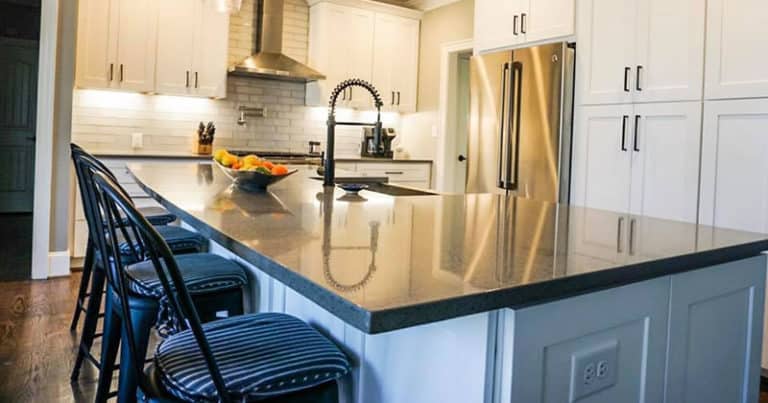
A homeowner in Cary contacted Branch Home Remodeling to open their kitchen to the living room. The dividing wall made both spaces feel cramped and dark. Our engineers confirmed the wall was load-bearing and designed a new LVL beam to support the upper floor.
After obtaining permits, our team installed temporary supports, removed the wall, and added the beam flush within the ceiling for a seamless transition. Once finished, the kitchen and living area became one open, bright, and inviting space.
The homeowner gained better flow, improved lighting, and a modern layout, all completed safely and to code.
Areas we serve
Branch Home Remodeling proudly serves homeowners throughout Wake County, Johnston County, and Harnett County, including:
-
- Apex
- Cary
- Chapel Hill
- Clayton
- Durham
- Fuquay-Varina
- Garner
- Holly Springs
- Morrisville
- Pittsboro
- Raleigh
We’re known across the Triangle area for trusted craftsmanship, transparent communication, and remodeling results that enhance both comfort and value.
Ready to open your space the right way?
Let’s create the open layout you’ve been dreaming of
If you’re ready to remove a wall and transform your home, trust Branch Home Remodeling to do it safely, efficiently, and beautifully. Our team specializes in structural renovations, home additions, kitchen remodeling, bathroom remodeling, and whole-home renovations throughout Wake County and nearby areas.
Call us today or request a consultation online to discuss your project. We’ll evaluate your home, handle the engineering and permits, and deliver a stunning open-concept design built the right way from start to finish.